The Evolution of Software Quality Assurance: Past, Present, and Future
Software Quality Assurance (SQA) has come a long way from its humble beginnings as a set of manual checks performed by programmers themselves. Today, SQA is a sophisticated discipline central to modern software development, leveraging automation, artificial intelligence, and continuous feedback loops. But how did we get here, and what does the future hold for software quality? This article explores the fascinating evolution of SQA, highlighting key milestones, technological advances, and emerging trends that shape how we build reliable, robust software in an ever-changing digital landscape.
Origins of Software Quality Assurance: From Ad Hoc Checks to Defined Processes
In the early days of computing, software was often considered secondary to hardware. The first digital computers of the 1940s and 1950s ran custom-built programs written by a handful of specialists. Quality assurance, as we know it today, simply did not exist. Instead, the original programmers were also the testers, relying on trial, error, and personal expertise to fix bugs.
The 1960s marked a turning point with the "software crisis"—a period when software complexity outpaced the ability to deliver bug-free, reliable products. Notably, the 1968 NATO Software Engineering Conference highlighted widespread project failures and led to the formalization of software engineering as a discipline. By the 1970s, organizations began defining structured testing phases, introducing terms like "verification" and "validation."
.png) Key facts:
- In 1972, the cost of software errors in the US alone was estimated at $40 billion annually.
- The Waterfall Model, introduced in 1970 by Winston Royce, was among the first to formalize QA as a distinct phase.
Key facts:
- In 1972, the cost of software errors in the US alone was estimated at $40 billion annually.
- The Waterfall Model, introduced in 1970 by Winston Royce, was among the first to formalize QA as a distinct phase.
The Rise of Structured QA: Standards, Methodologies, and Dedicated Teams
By the 1980s, software had become integral to business operations, prompting the rise of dedicated QA teams and standardized processes. The introduction of models such as the Capability Maturity Model (CMM) and ISO 9001 for software development brought consistency and repeatability to QA practices.
Test planning, requirements tracing, and test case documentation became hallmarks of the era. Teams began to separate the roles of developers and testers, recognizing the value of an independent perspective. The V-Model, introduced in the late 1980s, emphasized parallel development and testing activities to catch defects early.
Significant milestones: - The first version of IEEE 829, the Standard for Software Test Documentation, was published in 1983. - By 1993, the CMM model provided a five-level framework for assessing software process maturity, including QA practices.Automation and Agile: Transforming QA in the 21st Century
The turn of the millennium brought dramatic changes in software development. Agile methodologies and the demand for rapid, iterative releases challenged traditional QA approaches. Manual testing, once dominant, began to be supplemented—and often replaced—by automated testing tools.
Test automation frameworks like Selenium (launched in 2004) and JUnit enabled teams to run thousands of tests quickly and reliably. Agile practices, including continuous integration and delivery (CI/CD), pushed QA to shift left—integrating testing earlier in the development cycle.
According to the World Quality Report 2022-23, 63% of organizations now use test automation to some extent, compared to just 20% a decade earlier. Automation has not only increased test coverage but also reduced time-to-market, a crucial factor in today's fast-paced software industry.
Key Milestones in SQA: A Comparative Overview
To better understand how SQA practices have evolved, let's look at a comparative table of major milestones and their impact:
| Era | Key QA Practices | Notable Technologies/Models | Impact |
|---|---|---|---|
| 1950s-1960s | Manual debugging, ad hoc testing | None (programmer-driven) | Low reliability, high error rates |
| 1970s-1980s | Structured test phases, documentation | Waterfall Model, IEEE 829 | Improved process, formal QA teams |
| 1990s | Process standardization, independent QA | CMM, ISO 9001, V-Model | Higher quality, repeatable outcomes |
| 2000s-2010s | Automation, Agile QA integration | Selenium, JUnit, CI/CD tools | Faster releases, increased coverage |
| 2020s | AI-driven testing, continuous quality | AI/ML tools, cloud-based testing | Predictive QA, self-healing tests |
Modern SQA: Embracing AI, DevOps, and Continuous Quality
Today, QA is not just about finding bugs—it's about ensuring quality at every stage of the software lifecycle. The rise of DevOps culture has blurred the lines between development, operations, and quality assurance, fostering a mindset of shared responsibility.
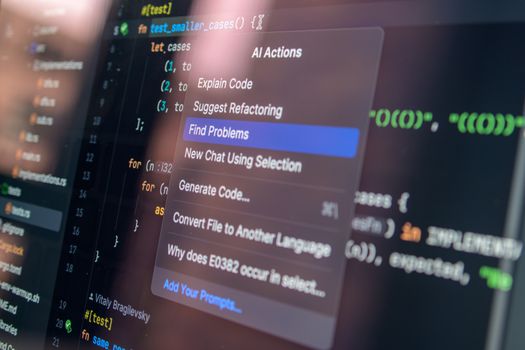
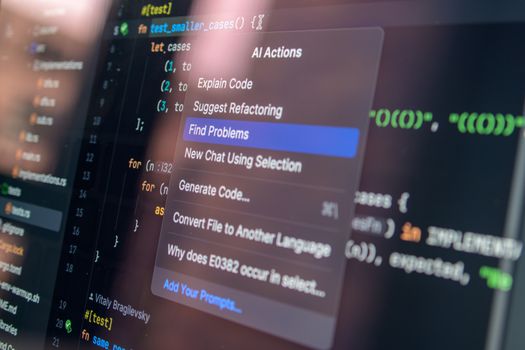
One of the most significant trends is the adoption of artificial intelligence (AI) and machine learning (ML) for test automation, defect prediction, and root cause analysis. AI-powered tools can automatically generate test cases, prioritize tests based on risk, and even self-heal scripts when application changes break automated tests.
Other modern SQA practices include: - Shift-left and shift-right testing: QA is integrated from requirements gathering through post-release monitoring. - Cloud-based testing: Teams use scalable, on-demand environments for cross-platform and cross-device testing. - Continuous testing: Automated tests run with every code change, providing instant feedback and reducing defect escape rates.A 2023 survey by Capgemini found that 78% of organizations now consider continuous quality a strategic priority, up from 52% in 2019.
Challenges and Opportunities in the Future of SQA
While significant progress has been made, the evolution of SQA is far from over. The acceleration of digital transformation, the growth of Internet of Things (IoT) devices, and the complexity of interconnected systems present new challenges. Security, privacy, and compliance are now critical aspects of quality that QA teams must address.
Emerging opportunities include: - Intelligent test orchestration: Using AI to optimize test execution and coverage. - Autonomous testing: Systems that learn from historical data and adapt tests without human intervention. - Quality engineering: A holistic approach that embeds quality into design, development, and operations.However, the talent gap in QA and testing remains a concern. According to the World Quality Report, 61% of organizations struggle to find skilled QA professionals with expertise in automation, AI, and cloud technologies.
Looking Ahead: What the Evolution of Software Quality Assurance Means for You
The journey of software quality assurance reflects the software industry's broader transformation—from manual, reactive processes to proactive, intelligent, and integrated practices. As technology continues to advance, so too will the expectations for software reliability, speed, and security.
For businesses, staying ahead in SQA means embracing new tools, investing in talent, and adopting a culture of continuous improvement. For individuals, it means learning new skills, staying current with trends, and understanding that quality is everyone's responsibility.
The evolution of SQA is a story of adaptation, innovation, and relentless pursuit of excellence—a story that will continue as long as software shapes the world.